

The Japanese American Museum of San Jose (JAMsj) presents more than a century of Japanese American history in San Jose’s Japantown. Its permanent and rotating exhibitions cover immigration, community leadership, wartime incarceration and civil liberties, making it a focused cultural-history stop in the neighborhood.
- Location: 535 North Fifth Street, San Jose, CA 95112.
- Typical hours: Thursday through Sunday, 12 p.m. to 4 p.m.
- Admission: $12 for adults; $8 for seniors, students and educators.
- Getting there: About a six-minute drive.
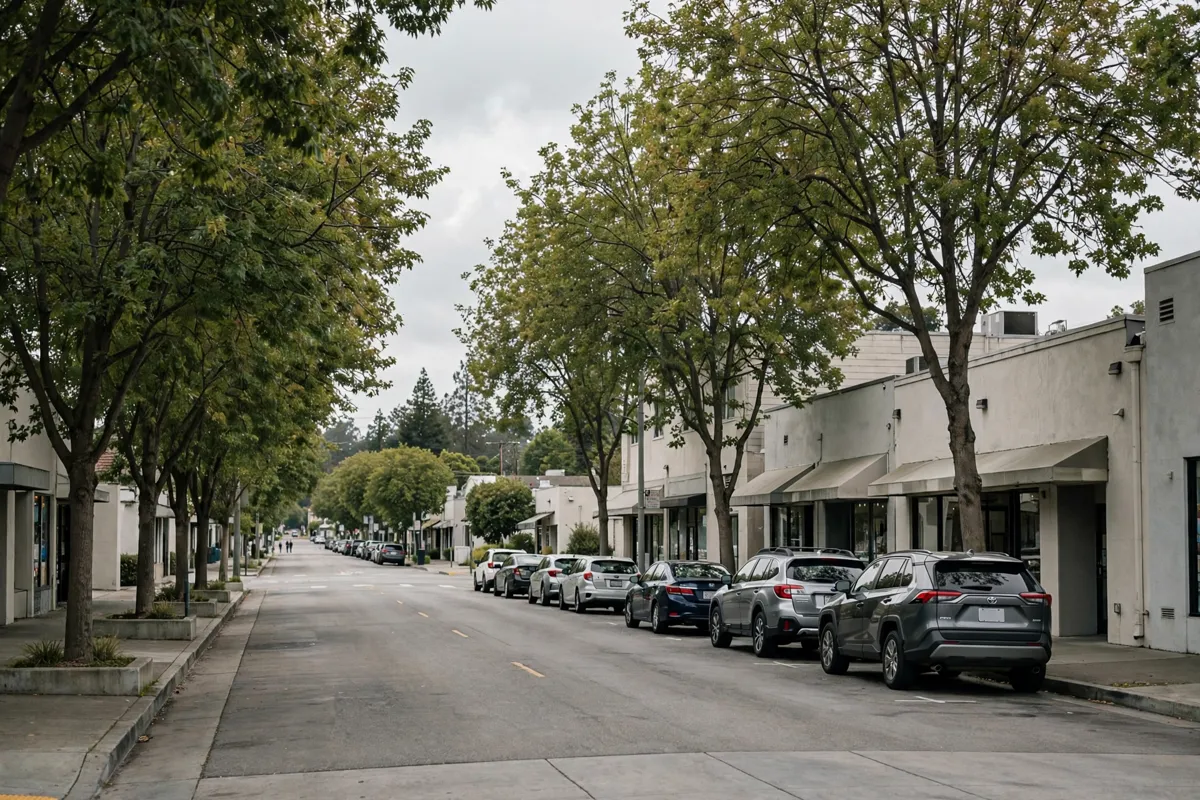
About the Japanese American Museum of San Jose
The museum is at 535 North Fifth Street, among the streets and community landmarks of Japantown. It focuses on the experiences and contributions of Japanese Americans over more than a century, connecting individual stories with wider questions about community, rights and identity.
Its subject areas include early Japanese immigration to America, Japanese American leadership in agriculture, incarceration during World War II, and contributions to West Coast communities. The museum’s historical forum also addresses civil liberties, race relations, discrimination and American identity.
If you’re choosing between museums in San Jose, this one offers a specific lens on the region’s Japanese American history rather than a broad survey of the city.
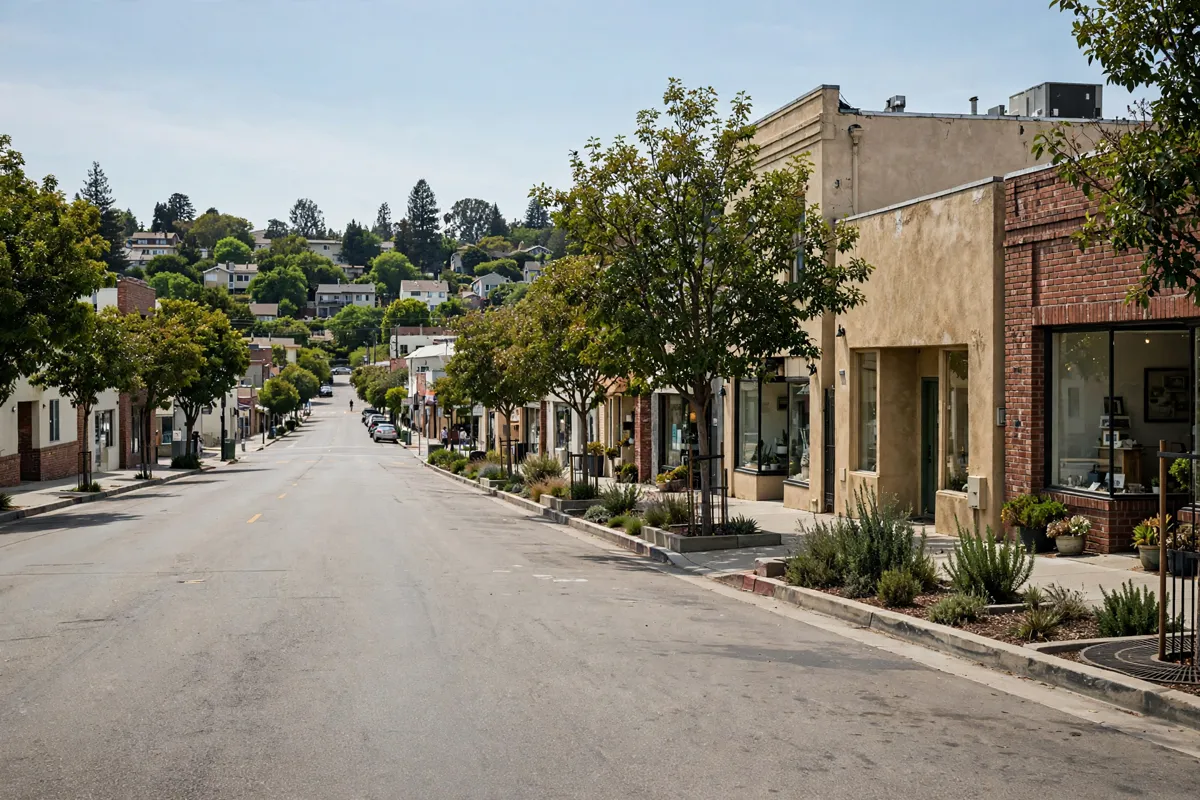
Exhibitions and visitor experience
JAMsj combines permanent exhibitions with a rotating gallery, so its displays cover both long-running themes and changing subjects. Admission to the rotating gallery is included with regular museum admission.
The historical scope gives you a way to follow how migration, work, wartime incarceration and community life connect. The museum’s forum broadens that story to questions of civil liberties, race relations, discrimination and American identity. Check the museum’s current exhibition information for details of what is on view when you plan your visit.
Hours, tickets and accessibility
- Ticket
- purchase procedure, so check the official site before you go
The museum lists regular hours as Thursday through Sunday, 12 p.m. to 4 p.m. Admission is $12 for adults and $8 for seniors, students and educators. JAMsj members and children under 5 are admitted free.
Active-duty military personnel and their families receive complimentary admission, as do visitors from the Japanese Cultural Center of Hawaii who show valid ID. The museum lists admission prices but does not specify a ticket-purchase procedure, so check the official site before you go.
The facility is wheelchair accessible, and the museum parking lot has two ADA-compliant parking spaces. The museum lists holiday closures on Independence Day, Thanksgiving, Christmas Eve, Christmas Day, New Year’s Eve and New Year’s Day.
How do you get to the museum?
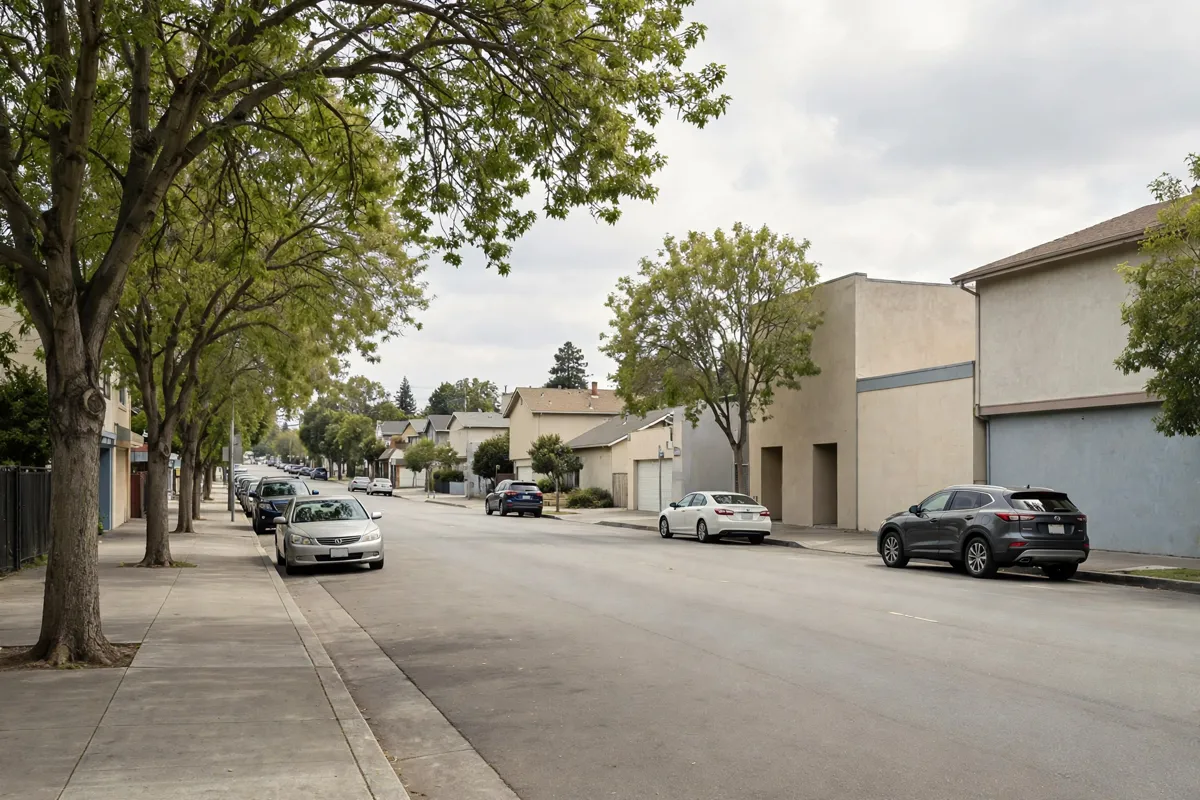
The museum is about a six-minute drive from Alura Inn. If you’re using public transport, JAMsj lists VTA light rail to Japantown/Ayer station and VTA bus lines 61 or 62 as options. For help understanding local connections, see this guide to San Jose public transport.
Parking at the museum is limited. Metered and non-metered parking is available throughout Japantown, so allow time to find a space if you’re driving. The Japantown Business Association identifies Japantown/Ayer as the closest VTA light-rail station to the neighborhood.
Pairing the museum with Japantown
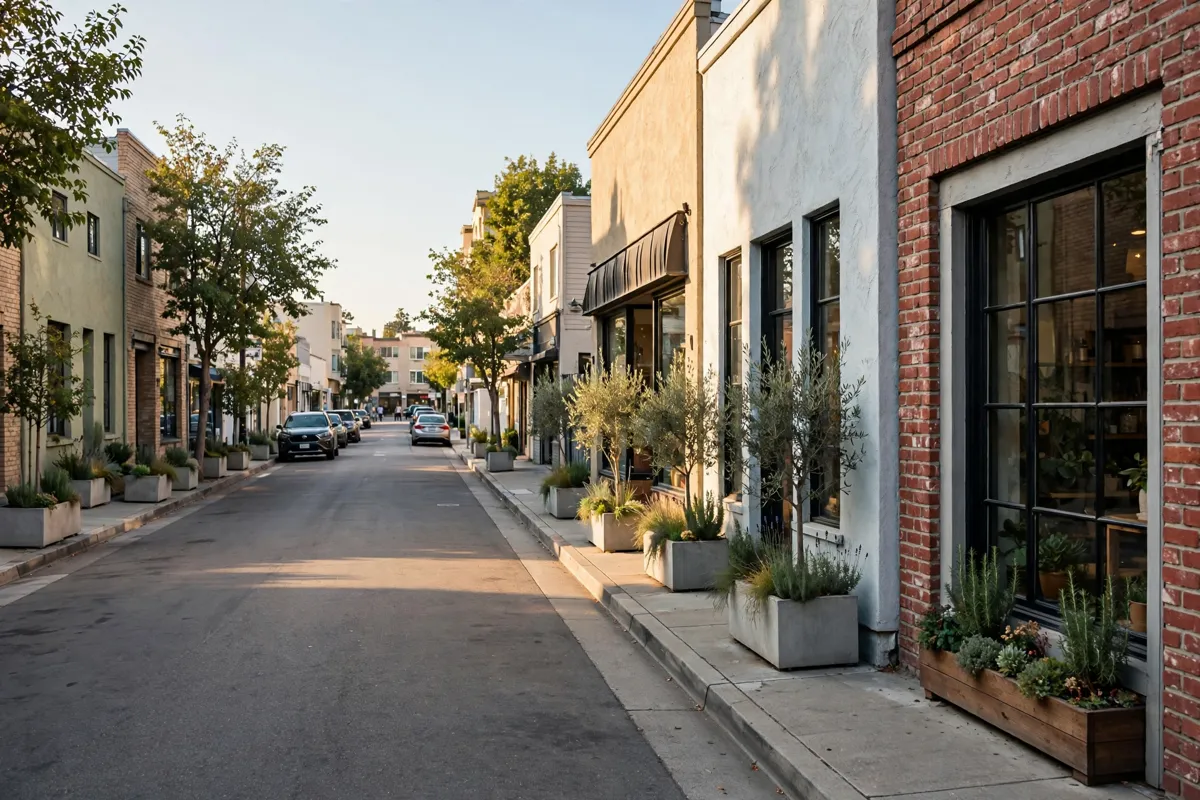
Japantown makes it easy to add a neighborhood walk before or after your museum visit. The area is centered around North Fifth and Jackson Streets, with boundaries from First to Seventh Streets and Empire Street to Hedding Avenue. San Jose City Hall is five blocks south of Japantown.
A neighborhood walking-tour map includes the museum as a stop, along with the San Jose Buddhist Church Betsuin at 640 North Fifth Street, Heinlenville Park at 620 North Sixth Street, and Shuei-Do Manju Shop at 217 Jackson Street.
You can use those listed stops to extend a visit beyond the museum. For another local outing, see the guide to the San Jose Flea Market.
Street parking in central Japantown is managed by SmartMeters. The meters accept coins and credit cards, and the listed rate is $2 per hour. The museum’s own parking is limited, so neighborhood parking may be useful if its lot is full.
FAQs
What is the Japanese American Museum of San Jose about?
It presents Japanese American history spanning more than a century, including immigration, agriculture, World War II incarceration and contributions to West Coast communities.
Is admission to the rotating gallery included?
Yes. Access to the rotating gallery is included with regular museum admission.
Is the museum wheelchair accessible?
Yes. JAMsj says its facility is wheelchair accessible and has two ADA-compliant parking spaces in its lot.
Where can you park near the museum?
Parking at the museum is limited, but metered and non-metered parking is available throughout Japantown.